How to Write a Summary That Keeps the Source Honest
A working method for how to write a summary: choose the format, find the claim, paraphrase without distortion and verify every figure.
A working method for how to write a summary: choose the format, find the claim, paraphrase without distortion and verify every figure.
Practical ways to improve productivity at work: guard your focus hours, cap priorities at three, read once and keep meeting notes to decisions, with the evidence behind each.
What the research says about how to read faster, which techniques hold up, and how to sort a heavy reading list so attention goes where it counts.
Most meeting notes record everything and keep nothing. Here is a four-bucket method, a ten-minute review habit and an honest look at where AI recorders help.
Meeting minutes serve one purpose: making sure the work discussed actually happens. Here is how to write them so they do.
Learn a repeatable method for summarizing articles accurately, from the first read to the final draft, with notes on when AI tools help and when they mislead.
Cornell's three-zone page layout separates note capture from active retrieval testing. The method takes 20% more time but returns measurably faster recall.
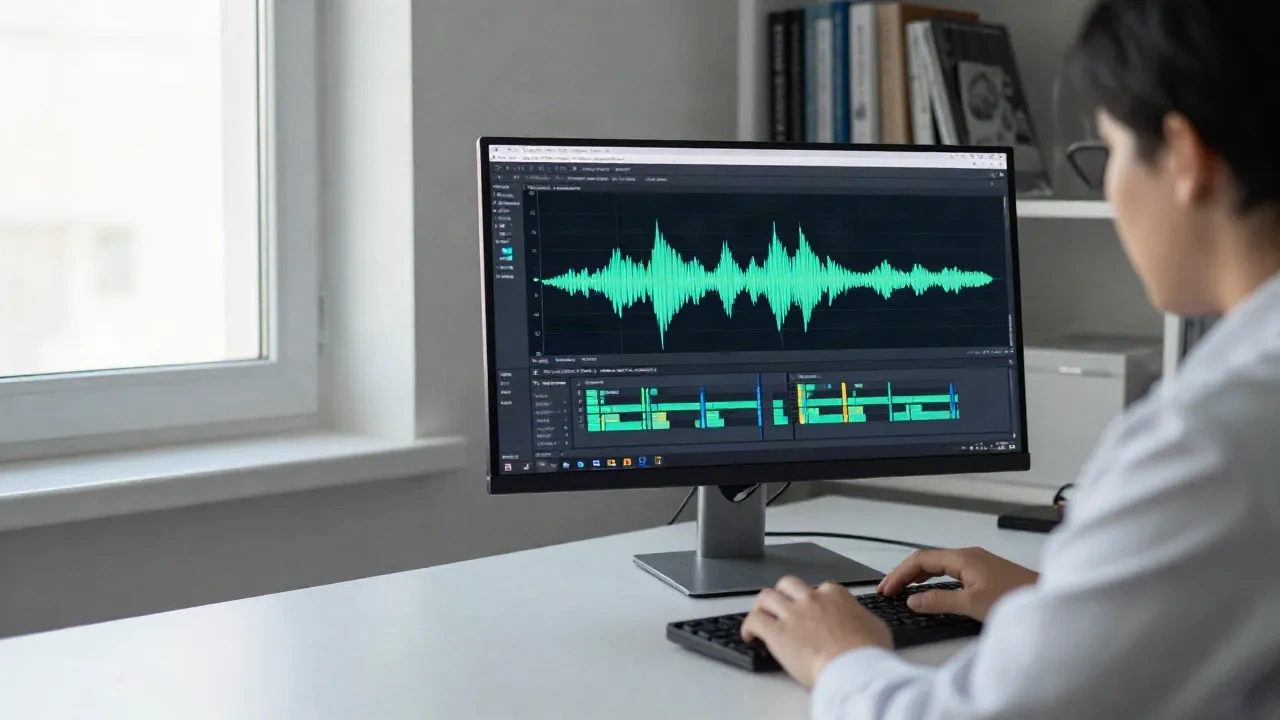
Acoustic models, language models, speaker diarization, and word error rates explained for researchers and knowledge workers who need reliable transcription.
A structured meeting minutes template with ready-to-copy layout, three format variants for project teams, committees, and boards, plus notes on how AI recording tools change who fills the template in.
A clear comparison of the best note-taking apps for students in 2026, covering AI features, free tiers, and which tool fits each study situation.
Most researchers record lectures and let the files sit. The real gap is what comes after: a structured process that turns captured audio into knowledge you can actually retrieve and use.
The fastest SEO gains come from pages that already rank, just not high enough. Here is how to identify and optimize them systematically.
A practitioner's look at how AI tools extract action items from long reports and calls, where they misfire, and the five-step method that catches what they miss.
GEO explains why AI engines cite wildly different sources for the same question, and what fact density actually does for your odds of being quoted.
An objective summary distills a source to its core claims, stripped of interpretation. This guide covers the method, common errors, and when AI tools actually help.